Developer, Publisher: Tencent Games
Released: March 20th, 2018
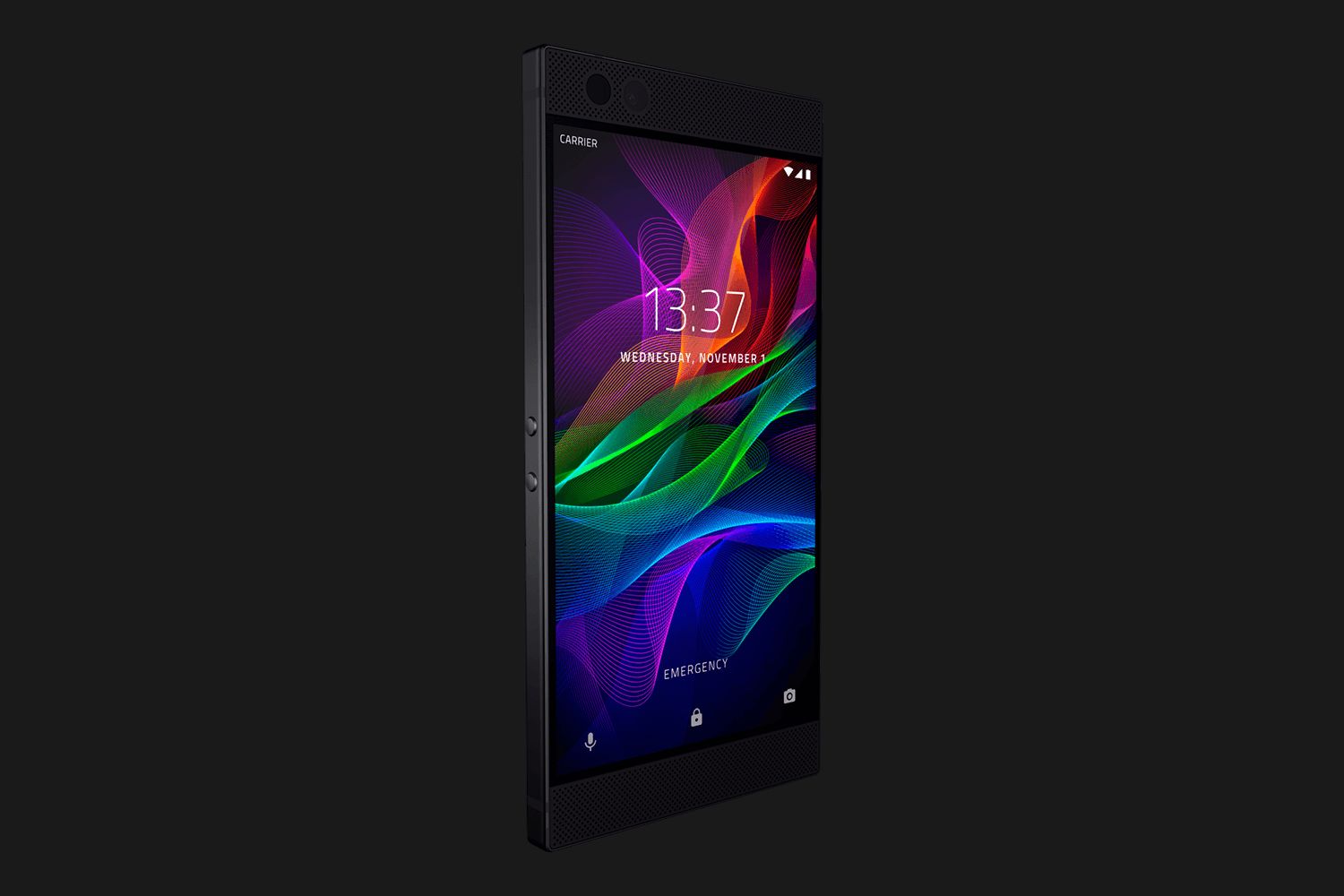
Reviewed On: Razer Phone, Android; Specs: Snapdragon 835, 8GB RAM
Available via: Google Play
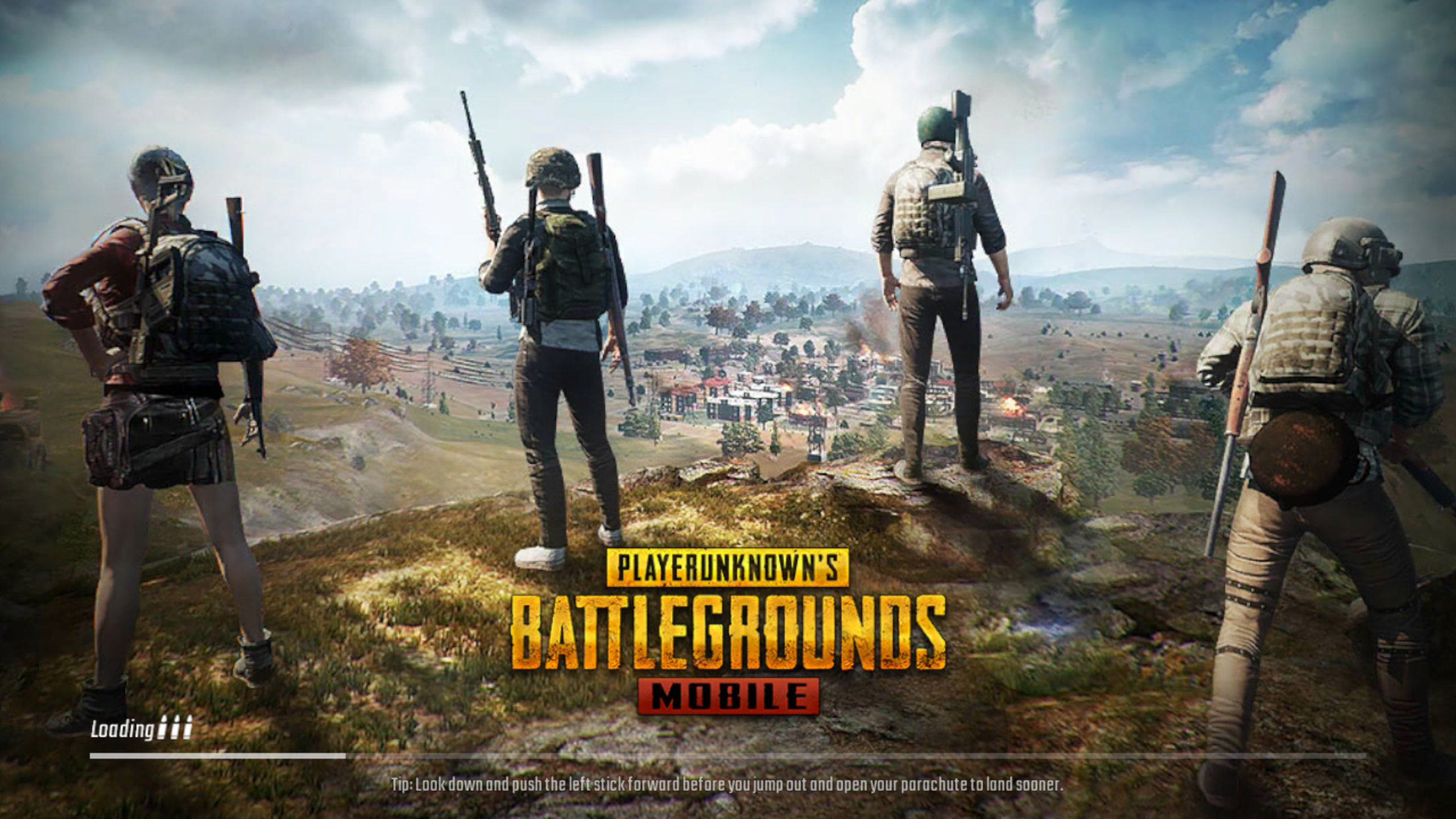
It is fairly unusual to see a recent game ported to mobile devices, and one that’s as popular as Player Unknown’s Battlegrounds. Launched in the US and Canada, PUBG Mobile brings to the table the full set of features available in its PC and Console versions, albeit at a severely reduced level of graphical detail. While looking unimpressive, PUBG Mobile still manages to impress with its battle royale multiplayer experience and on flagship phones, the game handles smoothly despite an extensive set of animations and reasonable graphics for the mobile platform. In addition, the entire experience is available as a free download, which is a fairly great bargain to begin with, and PUBG Mobile excels the quality of most gaming titles available on Android and iOS. As I haven’t played PUBG on the PC platform, I will discuss all of the game’s features in this mobile review, as well as contrast the mobile version in places it differs from other release builds. But on the whole, PUBG Mobile is a faithful port of a popular game that retains all of the original gameplay features and its free-to-play asking price is a strange, but worthwhile proposition for mobile players.
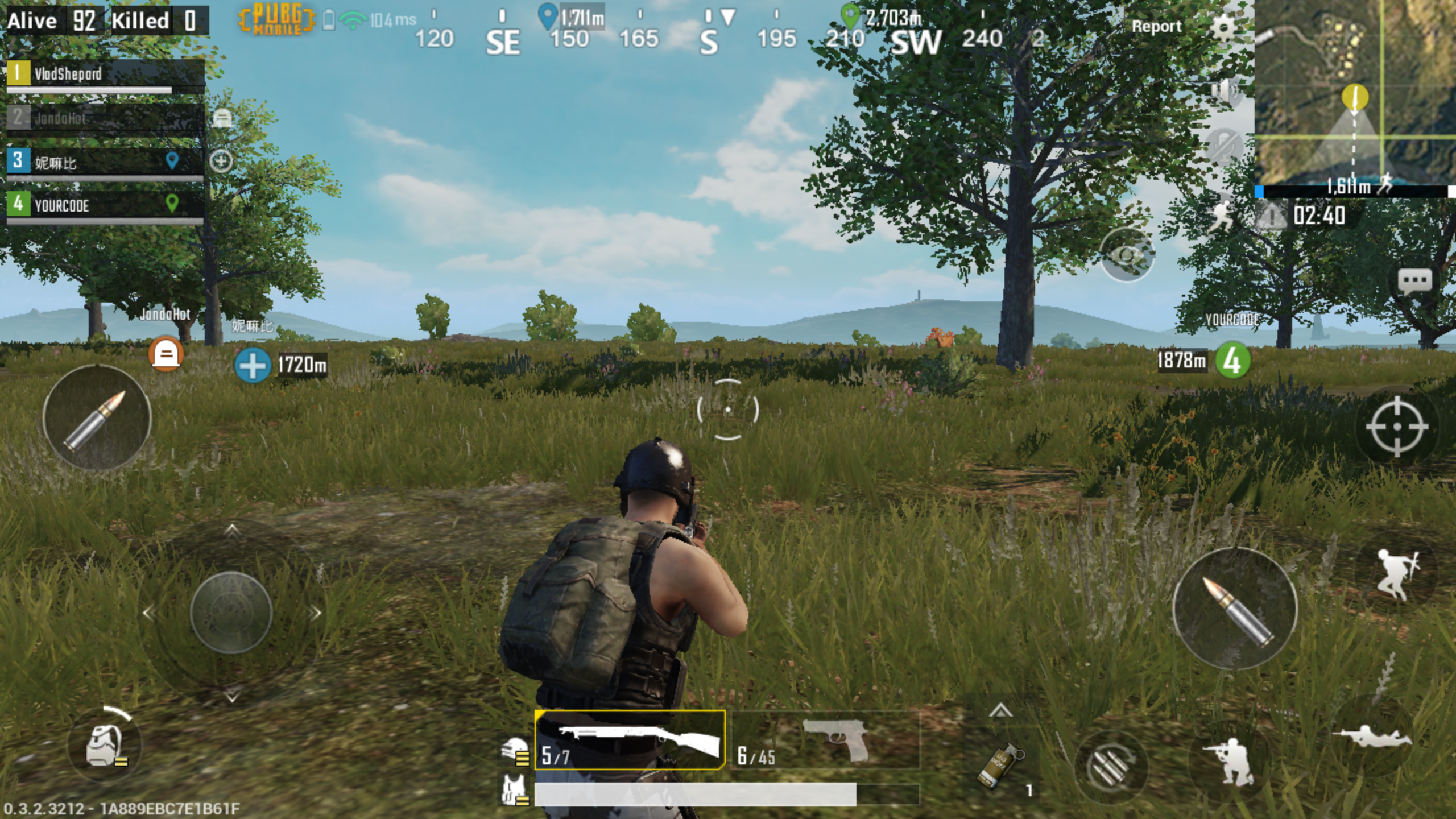
Tencent Games surprisingly succeeded at adapting the original Battlegrounds’ formula to touch-screen controls, and PUBG Mobile handles surprisingly well even on smaller phone screens. It is not completely ideal, and the screen comes off quite busy which can be an annoyance when playing the game, as the numerous control keys occupy the screen and ultimately reduce players’ field of vision, however I never found the visual buttons to interfere on my gameplay. On a 5.7” wide screen, PUBG Mobile looks fairly decent, and the player field of vision is expansive enough to notice most elements of the world. Enemy spotting can prove to be difficult at most times, although not completely impossible, which makes for additional tension in the 100 player free for all matches. The gameplay experience is not designed for everyone, and there are some flaws to be seen in the systems PUBG offers, but there is something enjoyable in a game that offers different gameplay with each multiplayer match. PUBG’s uniqueness is something fresh for both major home and mobile platforms and while the mobile version lacks behind in graphics, it still offers all the features found in the $30 Battlegrounds release on the PC and Consoles.
PUBG Mobile just like its bigger counterparts is a multiplayer battle royale third-person shooter with tactical elements and has 100 players battle it out on a large island map. The trick is to keep constantly moving, as the player dome decreases over the period of time, pushing the players towards the center of the map as player count gradually reduces over time. It’s an interesting game mechanics, although we are seeing it more often with the likes of PUBG and Fortnite, which is also bound to release on mobile platform sometime throughout the year. After a soft launch in Canada, PUBG Mobile is now available as a free download on the Google Play Store and the Apple store, which is a convenient pricing release, but also raises numerous questions since the game on other platforms retails for $29.99. With only reduced graphics, PUBG Mobile offers an excellent third-person shooter experience on the mobile platform, with few games to match its overall quality.

PUBG’s controls take a little while to get used to, and rotation feels significantly slower if you’ve played the PC or Console versions. All player actions are represented on the main screen, and PUBG includes a diverse amount of animations that look fairly impressive on a mobile device. With additional inventory management elements and a large weapon variety, PUBG Mobile really shines on the platform with a feature-complete gameplay rarely seen out of the Google Play Store titles. To balance for difficult controls, the game additionally features auto-aim, which is helpful to target other players but won’t eliminate the challenge of playing it on a touch screen. Controls are intuitive enough once a little time is spent with the game, however PUBG mobile would greatly benefit from a controller such as the MOGA Pro, which will greatly expand player capabilities to a significant degree.
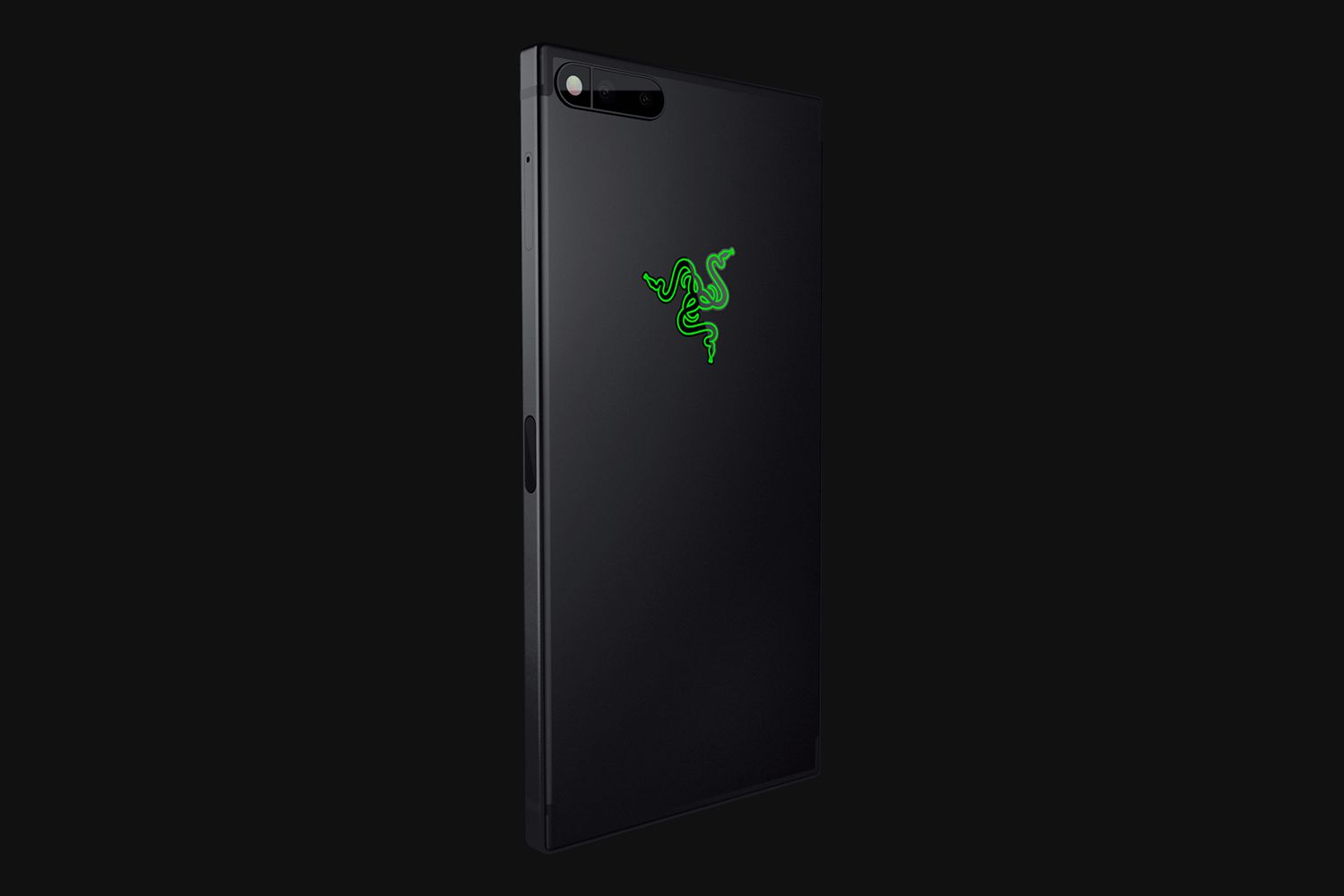
On a decent flagship device, PUBG plays quite smoothly, which can be a surprise given the fact the Xbpx One version still handles the game on the poor end of things. Between 3 graphical presets, the game automatically selects the best running option, and of course on the Razer Phone (read my review here), PUBG runs flawlessly with detailed graphics detail. There won’t be any Razer-specific features to be found, and at least so far, the game won’t benefit from the phone’s smooth 120Hz framerate. PUBG handles smooth enough to be running at 60 fps in its multiplayer matches. At the same time, the graphics are noticeably weaker and the levels of detail are severely lacking in the port compared to original versions, however it is to be expected considering the full PUBG experience has been replicated on the mobile platform. Building interiors are mostly missing, and the game’s textures look very bleak when compared to the major game. With that said, on its own, PUBG Mobile doesn’t look too bad for its platform, however players would need a decent device to experience the game in its best quality.
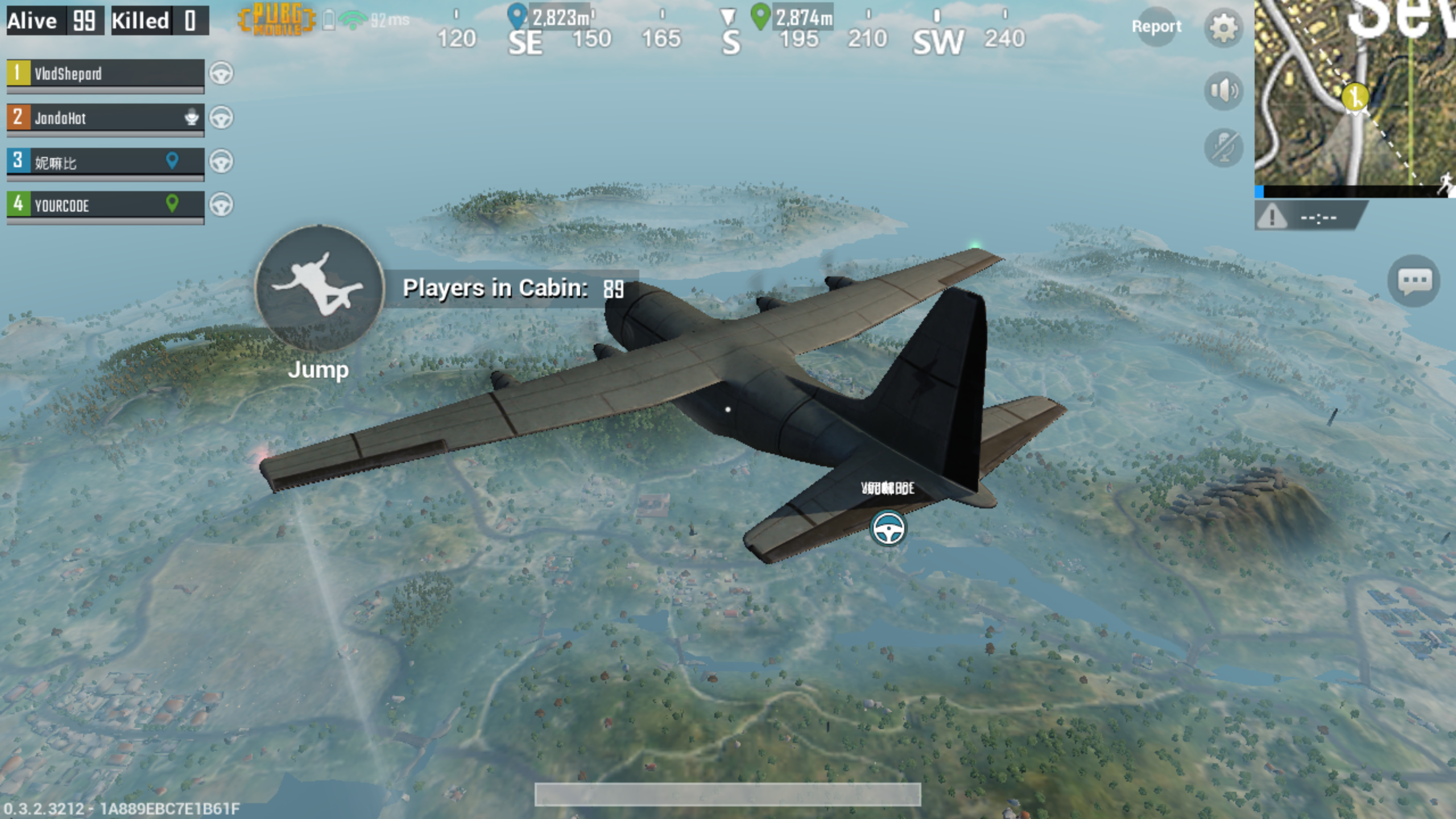
PUBG additionally features gathering elements of a sort, by dropping the player practically naked from the plane above, and forces competitors to seek out weapons once they hit the ground. The weapons are distributed at random, and while so far I discovered plethora of supplies inside the buildings during each match, although the game’s random nature guarantees unique matches for at least half the game. PUBG Mobile includes only one large island map from the two locations available on PC and consoles, although its scope far exceeds most gaming levels. These can be quickly traversed using vehicles, although those are spread at random and can be difficult to locate out in the open, which makes them fairly rare to use. For some added simplicity, PUBG Mobile includes bots in its multiplayer matches that allow lesser skilled players to acquire kills that would otherwise not be available. The multiplayer matches are very stable, although I’ve experienced some crashes during my playthroughs, but overall the experience handles solidly and for intense multiplayer matches, the connection works great enough to run without lag.
PUBG Mobile has been significantly streamlined to make it playable on new devices, and while it means that many of the original’s game systems are fully automated, some of it works for the better of the game. The player character automatically picks up weapons, ammo and any attachments, which simplifies the gameplay, however as the game auto-equips weapon attachments, you’ll more often find yourself with an unwanted mod for weapons you’d prefer to use. And in the middle of action, last thing one would want is to fiddle in the inventory, as PUBG doesn’t get paused by pulling up the inventory or the map screen. To its credit, PUBG Mobile’s simplification serves to the game’s advantage, and with lesser micromanagement, players can focus on the action in front of them. On top of that, PUBG Mobile’s user interface has been further modified to suit the mobile systems, with squad teammates being displayed in the direction screen in their relative distance. And apart from improvements, PUBG Mobile carries over all of the Battlegrounds’ gameplay systems that look quite impressive on the Android platform. At the current moment, PUBG Mobile doesn’t feature cross-play with the PC and console systems, and even across mobile, bots occupy beginner servers to allow new players gain skill over time, however it is still the same battle royale game that exists on more powerful gaming systems.
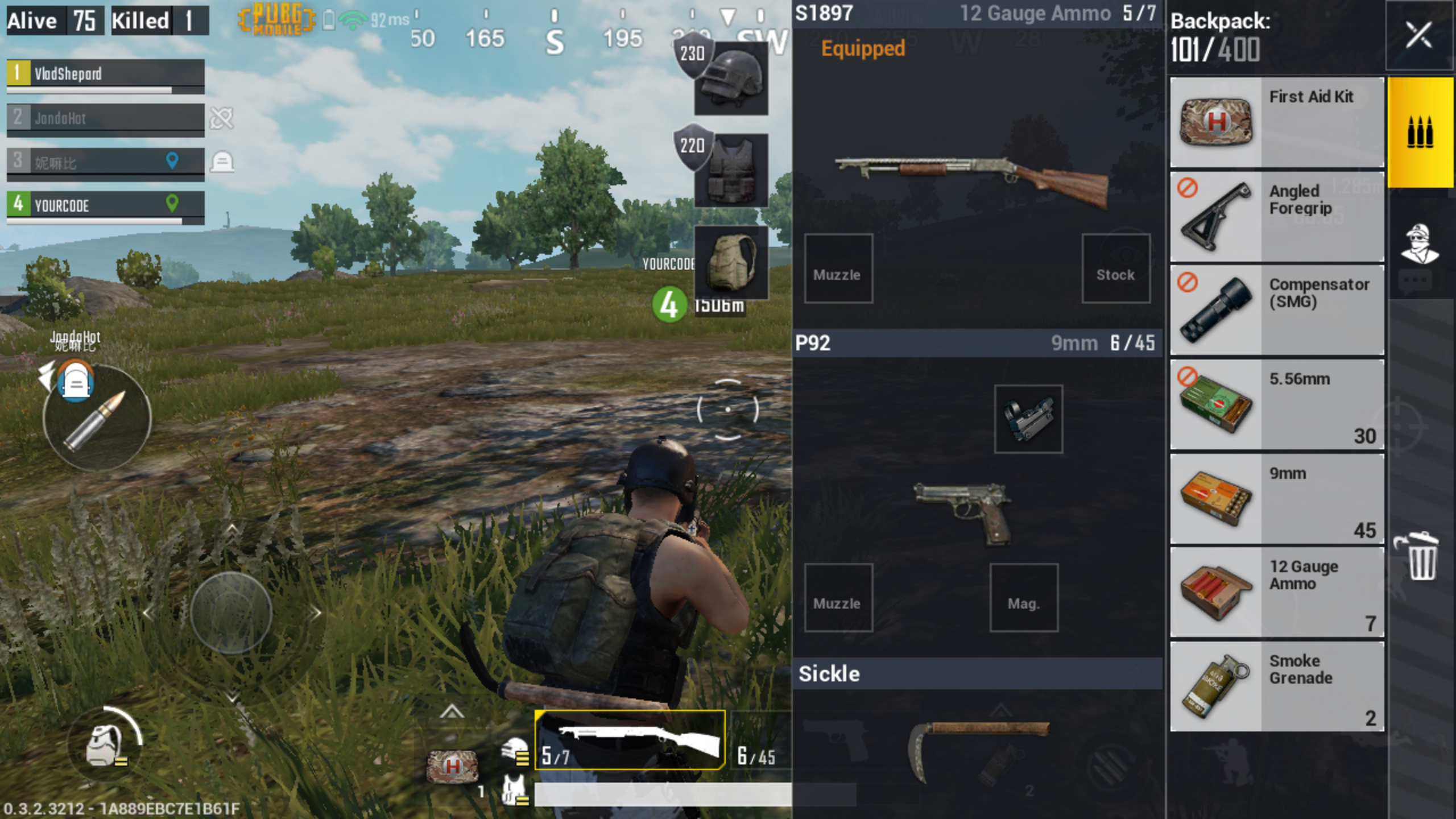
Given it’s available for free, I was going into PUBG Mobile in a sceptical mood, especially expecting micro-transactions or some sort of a slow progression system that would necessitate additional spending. But nope, PUBG Mobile not only didn’t need to introduce any of the gameplay-ruining elements, and even over multiple matches, I’ve never experienced a single ad in the course of the game. That is quite impressive, given every free-to-play game tries to exploit the player in one way or another, and even full-price AAA releases have been toying with the idea lately (we all remember the giant Star Wars: Battlefront 2 controversy that was the biggest backlash against loot chests). In any event, PUBG Mobile can be applauded for avoiding any of these temptations of the mobile market, and does away with any annoying elements of free-to-play releases. It’s quite strange to see a leap from $30 retail price on the PC and consoles to completely free on mobile, which is bound to attract more players over. despite the mobile platform’s limitations. PUBG Mobile also offers weekly leagues and daily login rewards, which are the only things present that relate to mobile gaming market, but surprisingly, they actually make the game more fun than its PC counterpart from what I’ve heard.
PUBG Mobile offers a full-feature experience unlike any other platform, and benefits greatly from preserving the qualities of its release on the major home systems. At the free to play price point, it is hard to beat what’s on offer here, and PUBG’s unique multiplayer experience makes the game worth replaying over multiple instances, and on the go, this shooter delivers a stellar experience. Although the game’s graphics leave something to be desired, its qualities lie in survival gameplay and the varied shooter experience that forces 100 players against one another in the ever-shrinking dome, and the exploration element is necessary to make sure players are given enough tools at their disposal. The expansive map makes action rare, which may be one of the only few downsides to PUBG’s gameplay, however eliminating other players is extremely satisfying in this last-man standing multiplayer shooter. And at the free price point, there is an extensive array of features present to make the game stand out among the general output of the free-to-play industry on mobile. PUBG Mobile handles great, and if you have a powerful phone to play it on, the experience is very satisfying.







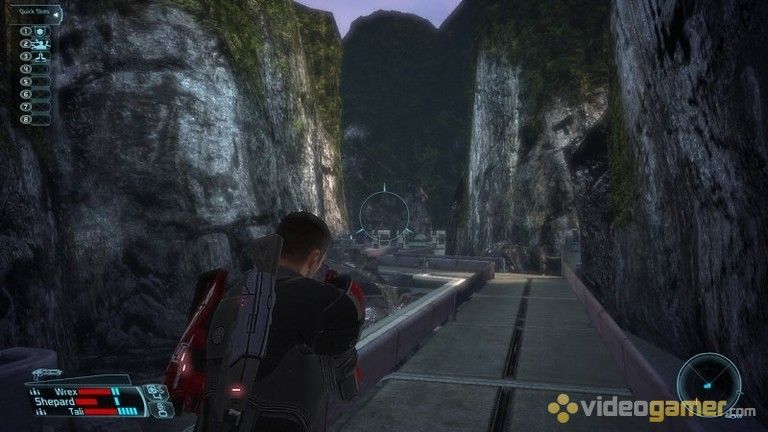






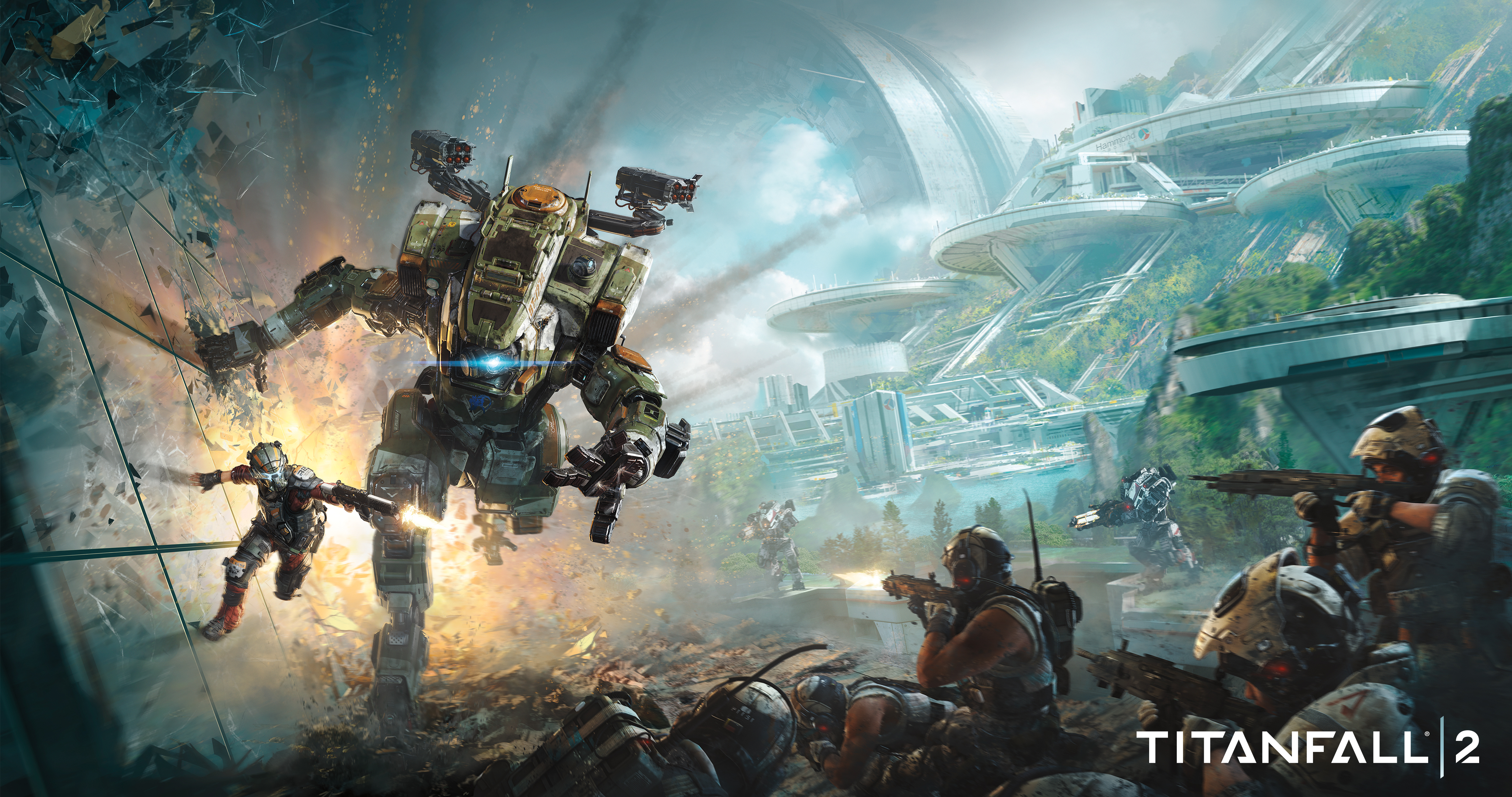
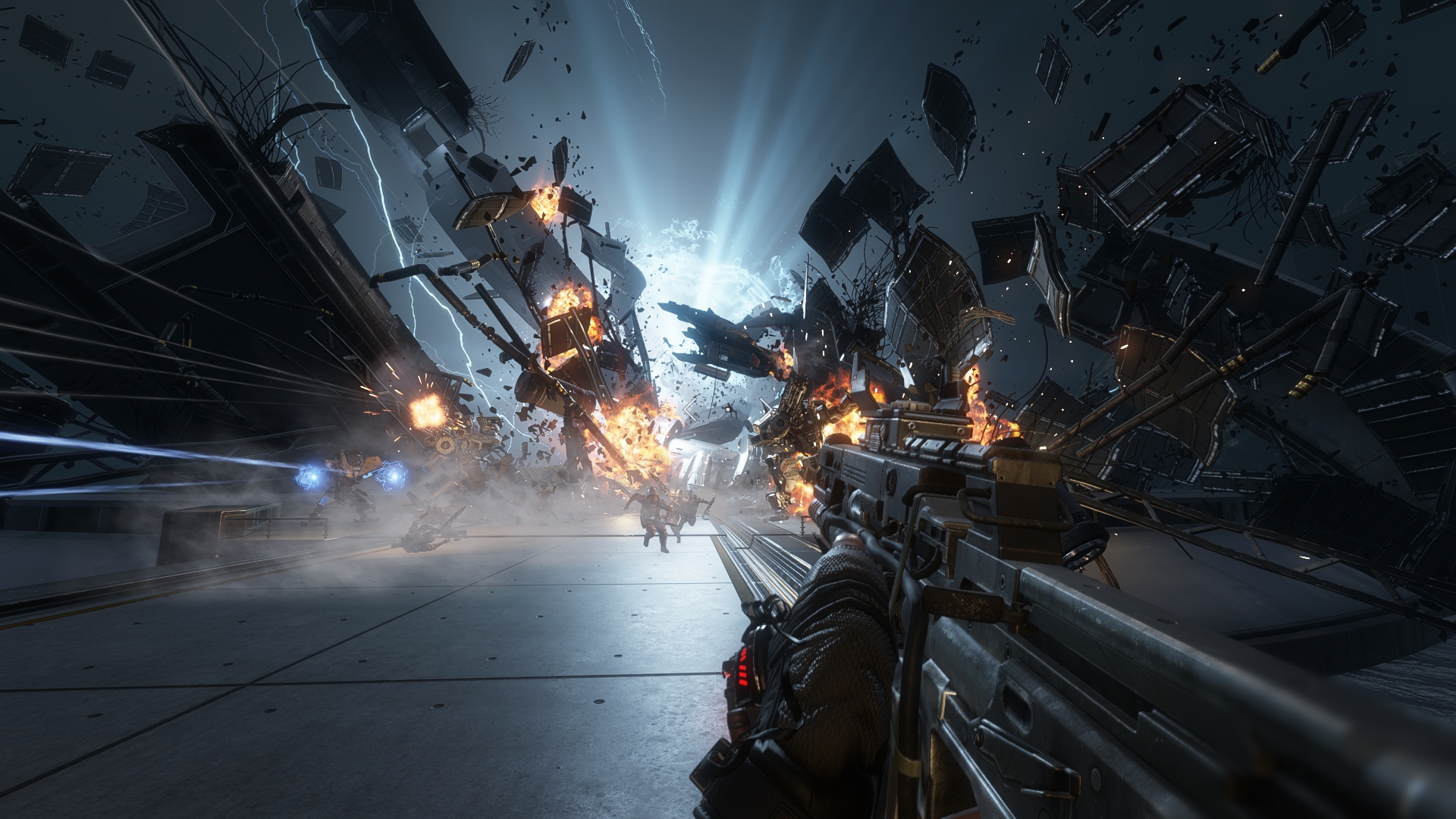 The story mode concerns you as a rifleman thrust into a pilot’s shoes from the get go, who has to adapt to the staggering change of pace in warfare. This leads to a developing relationship between the protagonist and his titan, where the player even has the choice at some dialogue options, which however carries no impact towards the story. Although Titanfall 2 fleshes out some of the lore for the universe, its the action that takes the front seat. I found the story itself to be largely forgettable besides the interesting relationship between a pilot and its titan that is presented through dialogue, but it was a small misstep considering the gameplay was an absolute blast. Despite the events taking place on a single planet, the game environments are really diverse so you’re never in the same spot as the campaign goes on. Each mission offers something new with no repetition, such as the time travel in Effect and Cause or a titan push in one of the latter levels. The gameplay remains a mix of pilot and titan gameplay introduced in its predecessor, and feels just as smooth as it used to. Although the on-foot gameplay reflects the old-school style of shooters, the titan gameplay doesn’t feel sluggish either and there is enough of dashing and power-ups to make it inherently fun blowing up other titans. The campaign is superb and even includes the best chase sequence I have ever played in its Ark mission, where you actually get to jump between a few ships in motion – simply exhilarating.
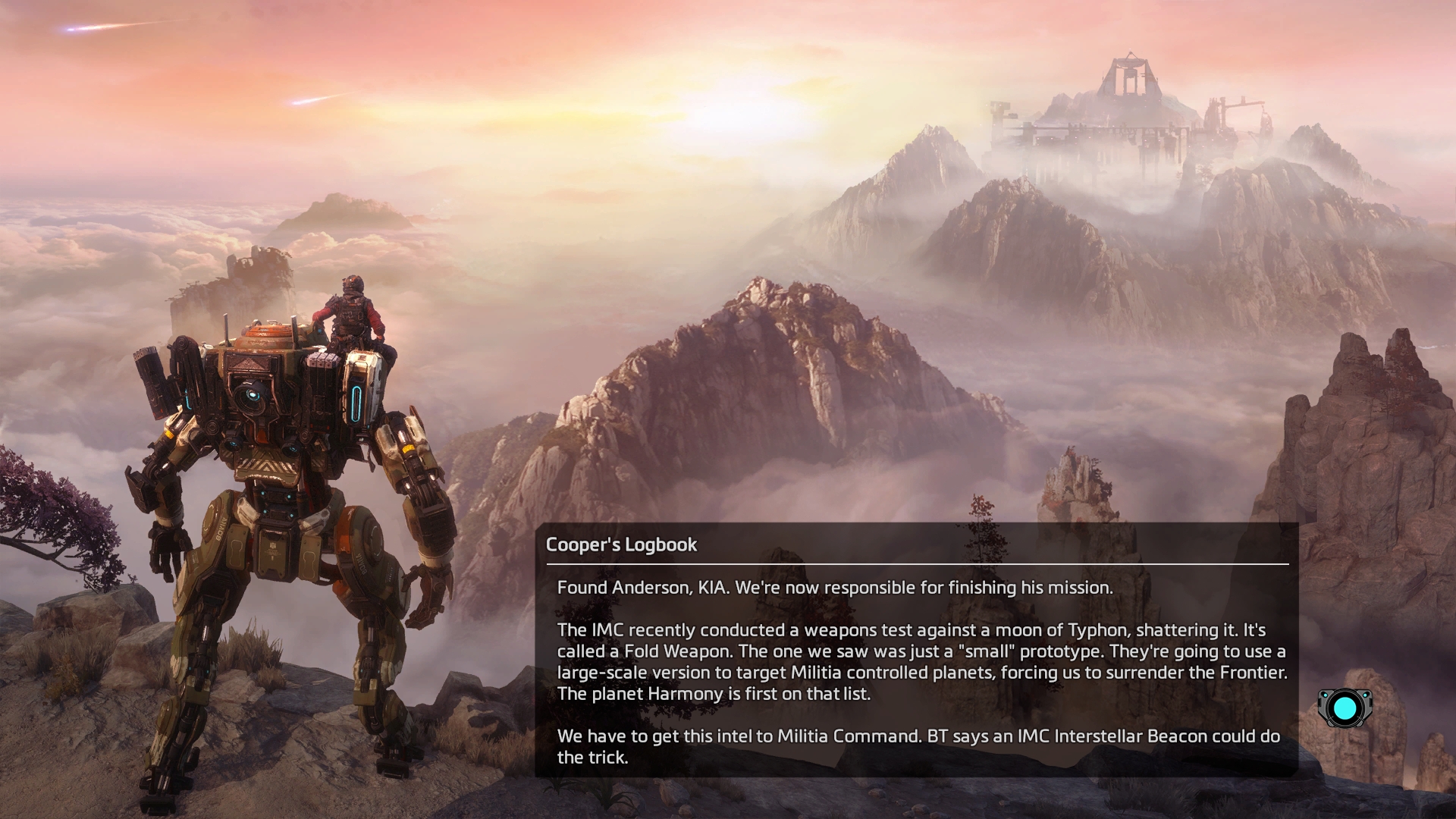 Titanfall 2’s level design is one of the best I’ve seen out of any game, and Respawn have gone full out to integrate that with the gameplay. The jetpack is never contextual, and all of the campaign missions pack in semi-open levels with secrets to encourage exploration, but as far as I’m aware, the collectible pilot helmets carry no story context in any way. What those levels do bring, however, is a lot of ways to kill enemies and many paths to take for doing so. For example, if you’re boring you could snipe all the enemies from afar, or instead, as I did, run around them like crazy, while alternating between shooting, gliding and punching the remaining guy in the face. Titanfall 2 works great by enabling player freedom in all but some situations to ensure you’re never bored with what you are doing. I was disappointed to see a lack of pilot on titan combat in the campaign, as you’re never given large weapons to dispose of one, which further grows the separation between combat styles. For the length of the campaign, however, it does little to derail the pace of the entire story. A few boss fights are thrown in for good measure as well, which unfortunately only happen between titans and ‘boss’ is essentially a name for an enemy titan with twice as much health and shield as the rest, but it brings some nice challenge to the levels.
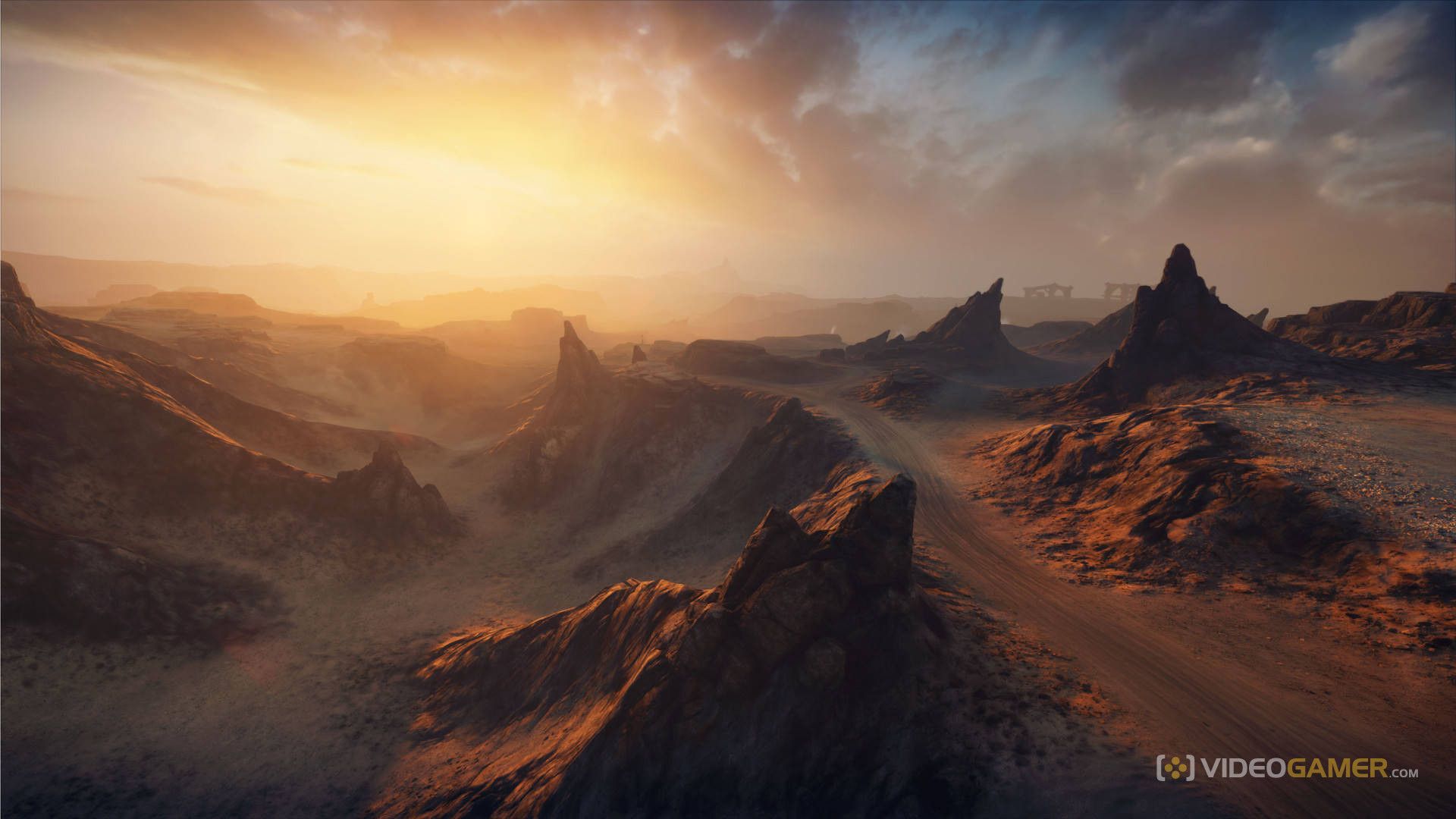
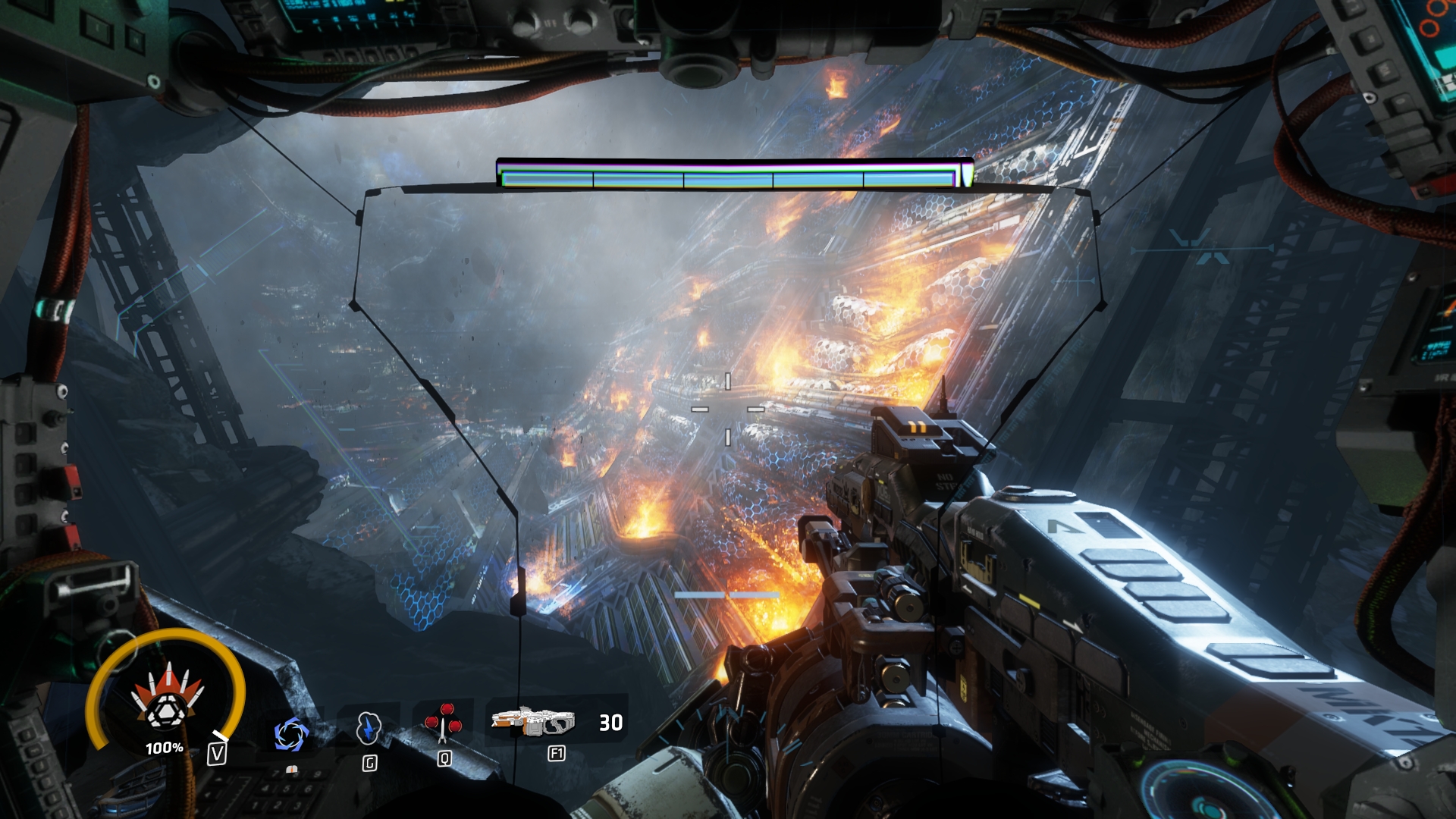 Concerning graphics, Titanfall 2 looks quite incredible, which explains the 60 GB space it took on my hard drive. The levels include lots of detail packed into them while the game still runs quite well, although of course system configurations would vary in performance. Something i quite liked about Titanfall 2’s campaign is that level backgrounds are actual places you visit later on, which makes a lot more sense than having them in the backgrounds. The developers made good use of the engine to make the game look fairly close to EA’s Frostbite 3 titles while Titanfall 2 retains its visual style. I wouldn’t call it unique, but the game’s locations show a colour stream rarely seen in most first-person shooters as of late. Sound design is superb as well, alternating between slow atmospheric music and the high-stakes danger scenarios where the music plays a lot faster. The game runs really smoothly and I never experienced frame drops, although at the time of review I had to download the very latest Nvidia drivers to unlock the full suite of resolution options, which I found odd considering my previous update was downloaded around after the time Titanfall 2 came out.
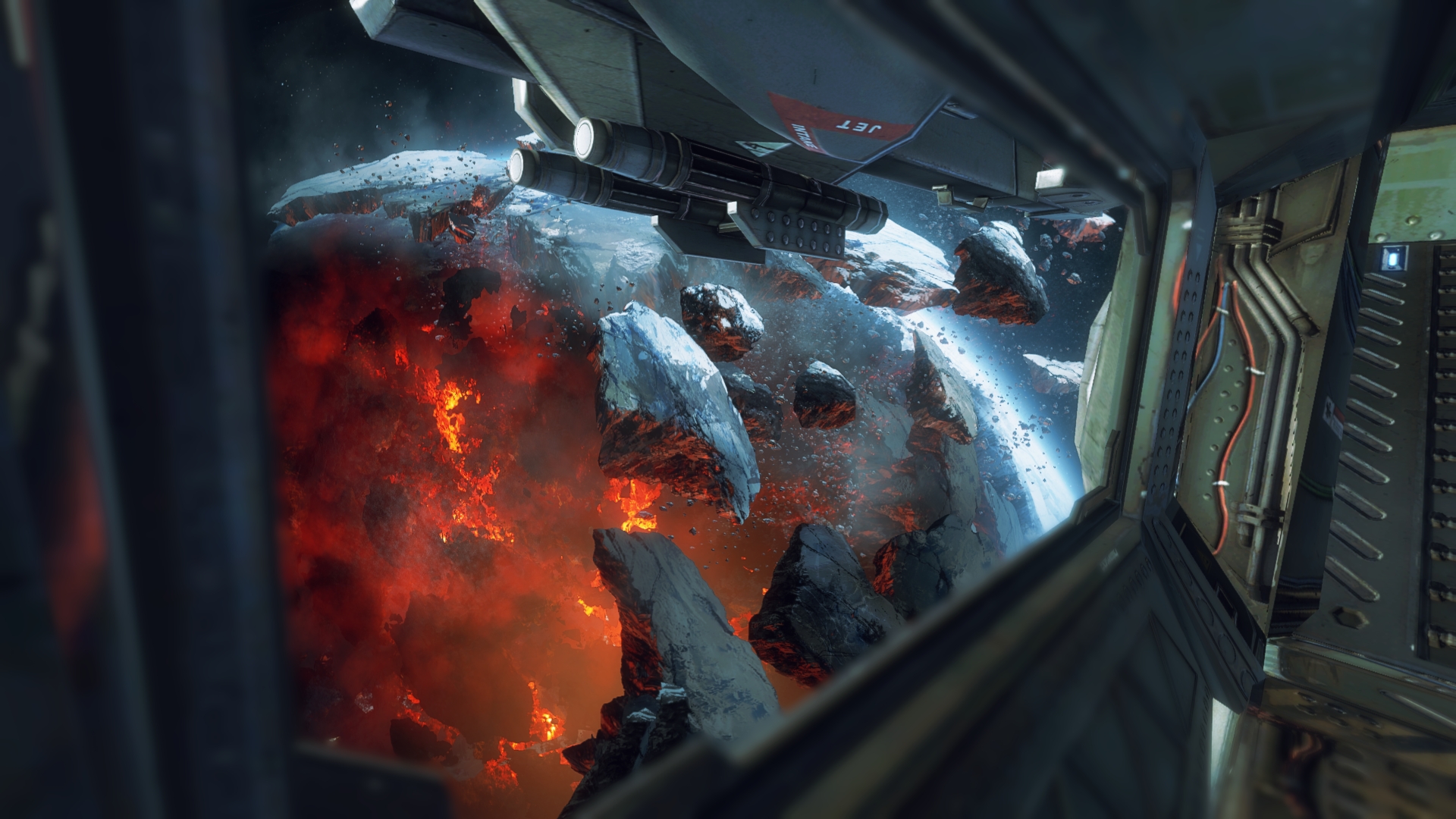 On the overall note, Titanfall 2 is an excellent first-person shooter albeit with a couple drawbacks, that don’t so much distract from the experience as they leave desiring a little more fine tuning. The game already brings many improvements that players have asked of in its predecessor and features one of the best campaign’s I’ve ever seen in a game, one that paces itself incredibly well and keeps you engaged until the very end. Although its very short, the single player mode provides enough variety to never feel stale, as the player goes from one colourful locale to another. Each level feels unique and many introduce an interesting spin on the regular gameplay. The game is even worth buying for the single player alone, but its online gameplay is also stellar. With its multiplayer, Titanfall 2 further addresses many of the complaints players had in respect to the original game by including customization for both pilots and titans, as well as a larger variety of titan classes to be selected. The customization not only allows to make your titan stand out in the field, but also expands to a choice of multiple character perks and upgrades to diversify playstyles. Titanfall 2 is the right kind of sequel to the original game and all of the improvements make it worthwhile playing, whether you enjoy an exhilaratingly fast campaign or spending hours on improving your multiplayer skills. Either way, Titanfall 2 is an enjoyable experience and I would recommend giving this game a try.
 Challenger's Gaming Domain